Water in Floor Vents After Heavy Rain: What to Do
Emergency Answer
Water appearing in floor vents after heavy rain usually suggests storm water is entering the ductwork or the surrounding floor or subfloor area. Do not run the HVAC simply to dry it; keep the affected system off, prevent more exterior water from entering where safely possible, and assess how far the water spread.
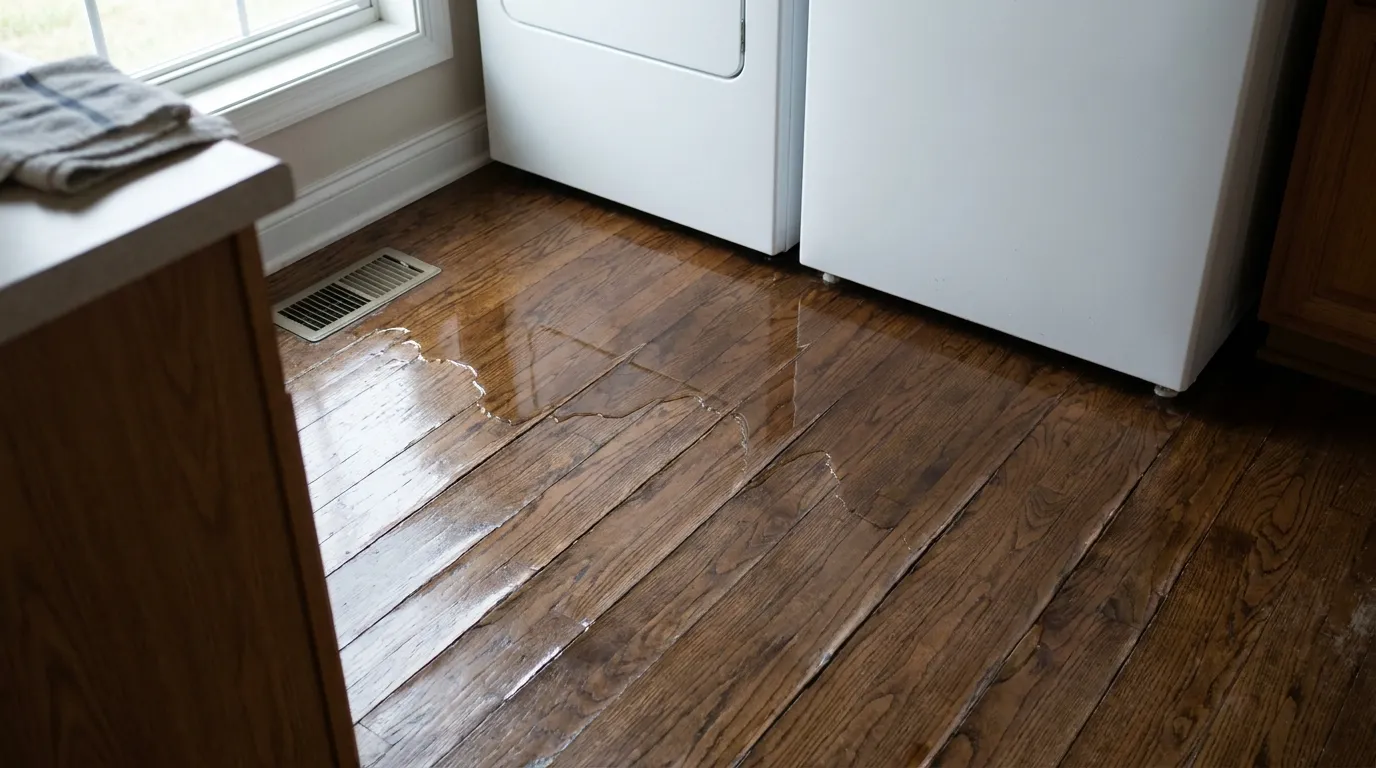
First Actions (To Do Immediately)
- 1 Keep the affected HVAC system off and avoid wet registers, wiring, equipment, or controls until electrical safety and water spread are understood.
- 2 Reduce additional exterior entry where safely possible—for example, redirect reachable runoff or clear an accessible surface drain without entering floodwater or working in dangerous weather.
- 3 Photograph the vents and exterior conditions, note which registers and adjacent floor areas are wet, and determine whether water reached ductwork, subfloor, or insulation.
DO NOT DO
- ✕ Do not run the HVAC or connected fans in an attempt to dry wet ducts.
- ✕ Do not shut off the home's main water supply unless there is evidence of an indoor plumbing leak.
- ✕ Do not touch wet HVAC or electrical equipment or assume a dry floor surface means the duct area is dry.
How the Water May Be Spreading
What This Usually Means
When water appears at floor vents only after heavy rain, possible entry paths include foundation or slab leakage, poor grading or drainage, a high water table, or storm water reaching low duct runs. Water may be inside the duct or in the surrounding floor, subfloor, or insulation, so the visible register is not enough to identify the full wet area.
Why Hidden Moisture Matters
Hidden moisture matters because it provides the perfect environment for secondary damage. Mold can begin developing within 24 to 48 hours in dark, damp spaces like wall cavities, under subfloors, or inside HVAC ducts. Additionally, prolonged exposure to moisture degrades structural integrity—wood rots, drywall crumbles, and metal fixtures can corrode. The longer the materials stay wet, the more complex and expensive the restoration process becomes.
How Serious Is It?
Severity depends on how many vents or rooms are affected, whether water reached HVAC equipment or electrical components, and whether storm water carried soil or other contaminants. Pooled water in ducts or repeated rain entry warrants prompt HVAC, drainage, and moisture assessment rather than simply running the system.
What You Can Check Safely
- Listen for dripping or running water: Can help identify active leaks behind walls or above ceilings.
- Check the water meter: If all fixtures are off but the meter is spinning, you have an active plumbing leak.
- Inspect adjacent rooms: Water travels horizontally along floor joists and subfloors.
What Professionals Look For
- Thermal imaging (infrared) to detect temperature anomalies indicating hidden moisture.
- Moisture meters to test the exact saturation levels of wood, drywall, and masonry.
- Borescope inspections to look inside wall cavities without removing large sections of drywall.
- Hygrometers to measure the relative humidity of the affected rooms and evaluate the risk of condensation and mold.
Severity Matrix: Medium
Requires professional extraction equipment and dehumidifiers. Moderate risk of mold and structural damage.
Who to Call
Licensed Plumber or Water Damage Restoration Professional
Insurance & Documentation
- Documentation and claim context only; no coverage conclusion
Frequently Asked Questions
Why is water coming up through floor vents after rain?
Possible paths include foundation or slab leakage, poor exterior drainage, a high water table, or storm water reaching low ductwork. The exact route needs inspection.
Should I run the HVAC to dry water in the vents?
No. Running the system can move moisture or contaminants and may expose wet equipment to electrical risk. Keep the affected system off until the ductwork and equipment are assessed.
Get Professional Help Now
Connect with a local water damage expert immediately.