How to Stop Water From Getting Into Floor Vents
Emergency Answer
Turn the HVAC off, find out whether water is entering from above, from plumbing, or from outside, and block that source before you dry the duct.
- Shut Down the HVAC: Set the thermostat to OFF and switch off the furnace or air handler so the blower cannot pull water or spores through the ducts.
- Identify the Entry Path: Water from above (a spill, toilet overflow, or mopping) drains in through the register; water from below (groundwater or crawlspace runoff) seeps in through duct seams. The fix depends on which one it is.
- Block the Opening: Lift the register and tape plastic sheeting over the opening, and redirect downspouts at least 6 feet from the foundation if rain is the source.
- Extract and Dry: Remove standing water from the boot and duct with a wet/dry vacuum, then leave the register off so the duct can be inspected before the system restarts.
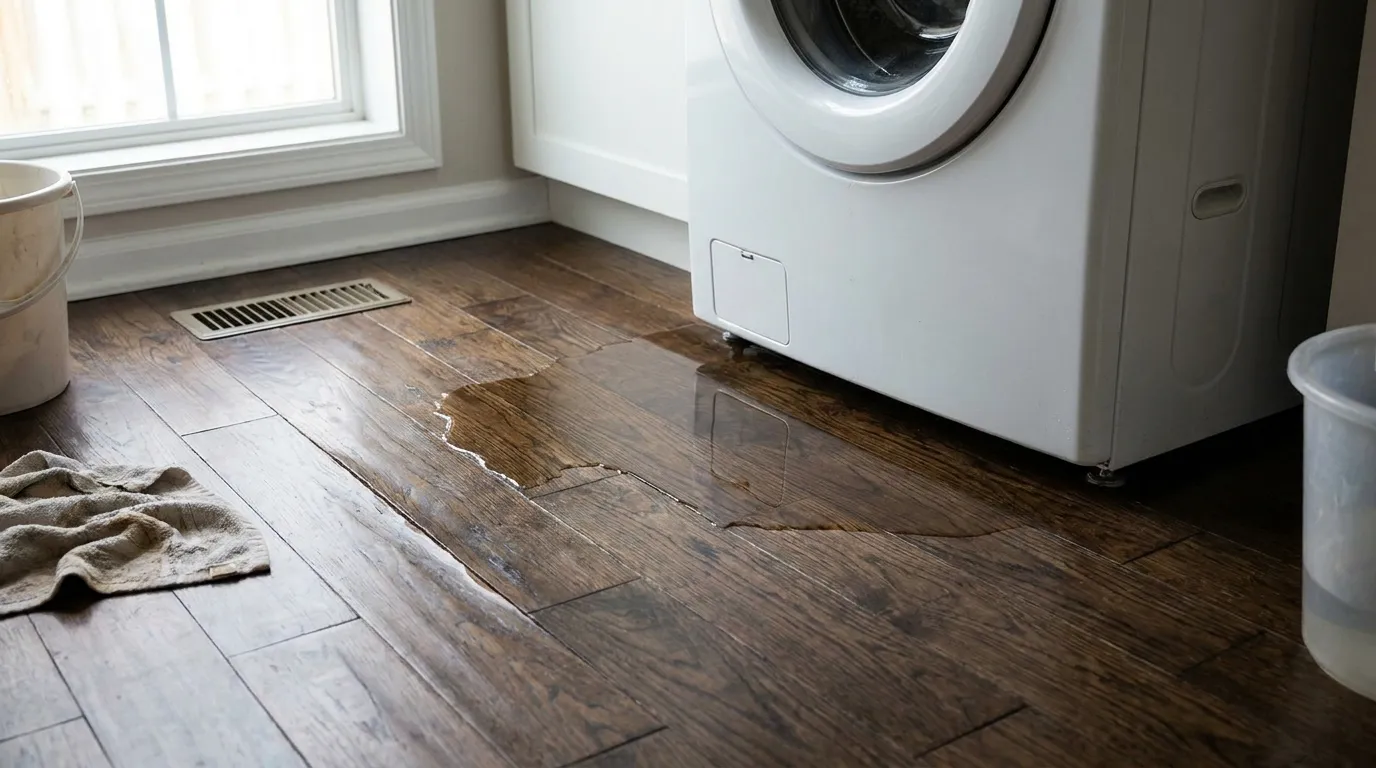
First Actions (To Do Immediately)
- 1 Turn off the thermostat and the furnace or air handler service switch before touching any register.
- 2 Remove the register cover and look into the boot with a flashlight to see whether water is pooled in the duct or only on the grille.
- 3 Cover the open register with plastic sheeting and painter's tape so mop water, spills, or overflow cannot drain in.
- 4 If water appears only after rain, extend downspouts and clear debris from window wells and grading next to the foundation.
DO NOT DO
- ✕ Do not run the furnace or AC to dry the duct; the blower spreads moisture and microbial growth to every room.
- ✕ Do not pour bleach or cleaners into the vent; they pool in the duct, corrode metal, and off-gas through the system.
- ✕ Do not seal the register permanently with caulk or spray foam; HVAC techs and inspectors need access to the boot.
Where to Look First
WATER IN HVAC DUCTS: IN-SLAB VS. CRAWLSPACE INTRUSION
Water From Above vs. Water From Below
If the duct only gets wet when someone mops, a toilet overflows, or an appliance leaks nearby, water is entering through the register, and a cover plus faster cleanup solves it. If water shows up after storms with no indoor source, the duct itself is taking on groundwater or runoff, and the long-term fix is outside: grading, gutters, sealed duct seams, or replacing in-slab ducts.
How to Seal Off a Floor Register
Magnetic vent covers work on steel registers, and plastic sheeting with painter's tape works on any type. Registers with a closable damper help in rooms that are mopped often, but the damper is not watertight, so lift the cover before wet cleaning.
When the Duct Needs Professional Cleaning
Clean water that is removed within a day often only needs drying. Water from a toilet, sewage, floodwater, or anything that sat longer than 48 hours calls for an HVAC or duct-cleaning contractor to sanitize or replace the affected duct runs before the system is restarted.
Severity Matrix: High
Requires immediate professional intervention. High risk of structural weakening, electrical hazards, and mold.
Who to Call
Licensed Plumber or Water Damage Restoration Professional
Insurance & Documentation
- Mitigation/documentation support only; no coverage conclusion
Frequently Asked Questions
Why does water get in my floor vents when it rains?
Ducts installed in a slab or crawlspace can sit below the outside water level after heavy rain, and water pushes through rusted joints and unsealed seams. Better drainage around the house and sealing or replacing the ducts stops it.
How do I cover a floor vent to keep water out?
Lift the register, lay plastic sheeting over the opening, and tape it down, or use a magnetic vent cover on steel registers. Remove the cover once the area is dry so airflow and inspection access return.
Can I turn my furnace back on after water got in the vents?
Not until standing water is removed and the duct is dry. If the water was dirty or sat for more than a couple of days, have the duct inspected and cleaned before running the system.
Get Professional Help Now
Connect with a local water damage expert immediately.