Can I Shower If My Basement Is Flooded? - Diagnosis & Action Guide
Emergency Answer
Avoid using the shower until you know the basement flooding is not from a sewer or drain backup—or another plumbing or drainage problem that shower use could worsen. Whether showering is safe depends on why the basement flooded, so identify the source before adding water to the drain system.
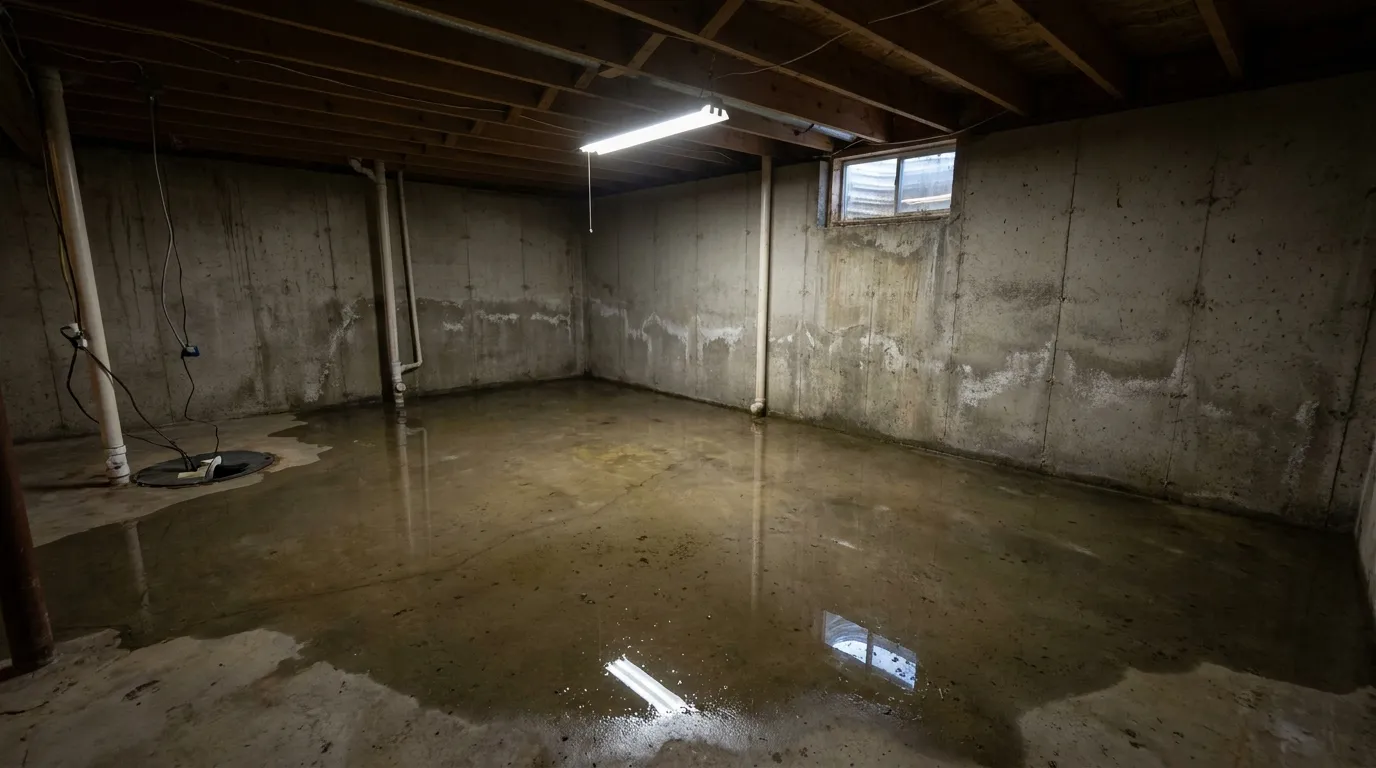
First Actions (To Do Immediately)
- 1 Avoid the shower and other unnecessary water use while checking whether floor drains, toilets, or sinks are backing up, gurgling, or rising when fixtures are used.
- 2 Look for an active supply leak and note whether flooding followed rain or exterior runoff; shut off the main water only if evidence points to an indoor plumbing source and it is safe to do so.
- 3 Keep out of standing water near electrical equipment, document the water location and timing, and call the appropriate plumber, drain specialist, or restoration professional if the source is unclear.
DO NOT DO
- ✕ Do not run the shower repeatedly to test the drains while the basement is flooded.
- ✕ Do not assume rain is the only cause without checking for sewer, drain, and plumbing warning signs.
- ✕ Do not enter standing water near outlets, appliances, panels, or other possible electrical hazards.
How the Water May Be Spreading
What This Usually Means
The answer depends on the flood source. A sewer or building-drain backup can worsen when more water is sent down household drains, while groundwater or exterior runoff may be unrelated to shower use. An active supply leak is a different problem again and may require shutting off the water. Source identification comes first.
Why Hidden Moisture Matters
Hidden moisture matters because it provides the perfect environment for secondary damage. Mold can begin developing within 24 to 48 hours in dark, damp spaces like wall cavities, under subfloors, or inside HVAC ducts. Additionally, prolonged exposure to moisture degrades structural integrity—wood rots, drywall crumbles, and metal fixtures can corrode. The longer the materials stay wet, the more complex and expensive the restoration process becomes.
How Serious Is It?
Treat the situation as urgent if drains are backing up, the water has an odor or visible waste, the level rises when fixtures run, or flooding is near electrical equipment. Even when exterior water is the likely cause, avoid the shower until drain and sewer involvement has been reasonably ruled out.
What You Can Check Safely
- Listen for dripping or running water: Can help identify active leaks behind walls or above ceilings.
- Check the water meter: If all fixtures are off but the meter is spinning, you have an active plumbing leak.
- Inspect adjacent rooms: Water travels horizontally along floor joists and subfloors.
What Professionals Look For
- Thermal imaging (infrared) to detect temperature anomalies indicating hidden moisture.
- Moisture meters to test the exact saturation levels of wood, drywall, and masonry.
- Borescope inspections to look inside wall cavities without removing large sections of drywall.
- Hygrometers to measure the relative humidity of the affected rooms and evaluate the risk of condensation and mold.
Severity Matrix: Medium
Requires professional extraction equipment and dehumidifiers. Moderate risk of mold and structural damage.
Who to Call
Licensed Plumber or Water Damage Restoration Professional
Insurance & Documentation
- Documentation and claim context only; no coverage conclusion
Frequently Asked Questions
Can showering make a flooded basement worse?
Yes, if the flooding involves a blocked sewer, building drain, or another drainage problem. Shower water can add flow to the same system, so avoid showering until the cause is known.
What if the basement flooded only because of heavy rain?
Shower use may be unrelated if the plumbing and drains are working normally, but confirm there is no sewer or drain backup before using water. Exterior flooding still requires electrical precautions and drying.
Get Professional Help Now
Connect with a local water damage expert immediately.